
226 ☼ What Stops You?
On finding your voice by paying attention to what you can't ignore
Hi friends,
We all have something that can stop us in our tracks. A beautiful pop of color on a rainy day. A flower hanging at a certain angle. A spot of light hitting a puddle just so. These moments aren’t usually loud, but they pull us in.
This issue is about what stops me, and how learning to recognize what stops you can help you grow as a photographer and storyteller.
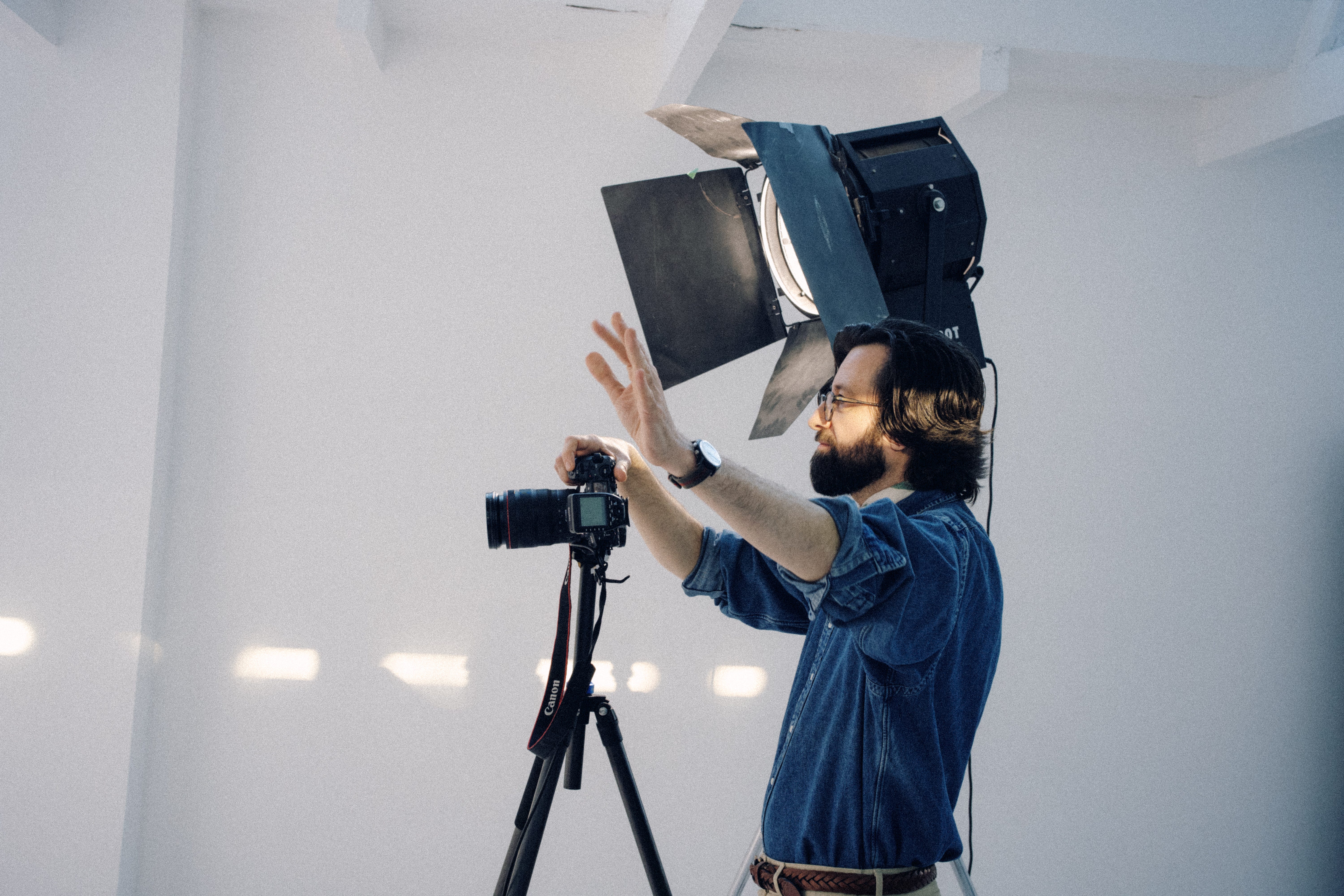
Also in this issue: a first look at the behind-the-scenes of Flywheel, the new Community Documentary project we started work on this week. We photographed over one hundred people in two full days in the studio! Oh and a giveaway!
Before we get into it, a few things:
Internship — I am accepting applications for the next round of interns to work with me for a six month period. More info here.
Panasonic Lumix GF1 Review — I wrote about this iconic 2009 Micro Four Thirds compact for the MPB website. Read it here.
What Stops Me? What Stops You?
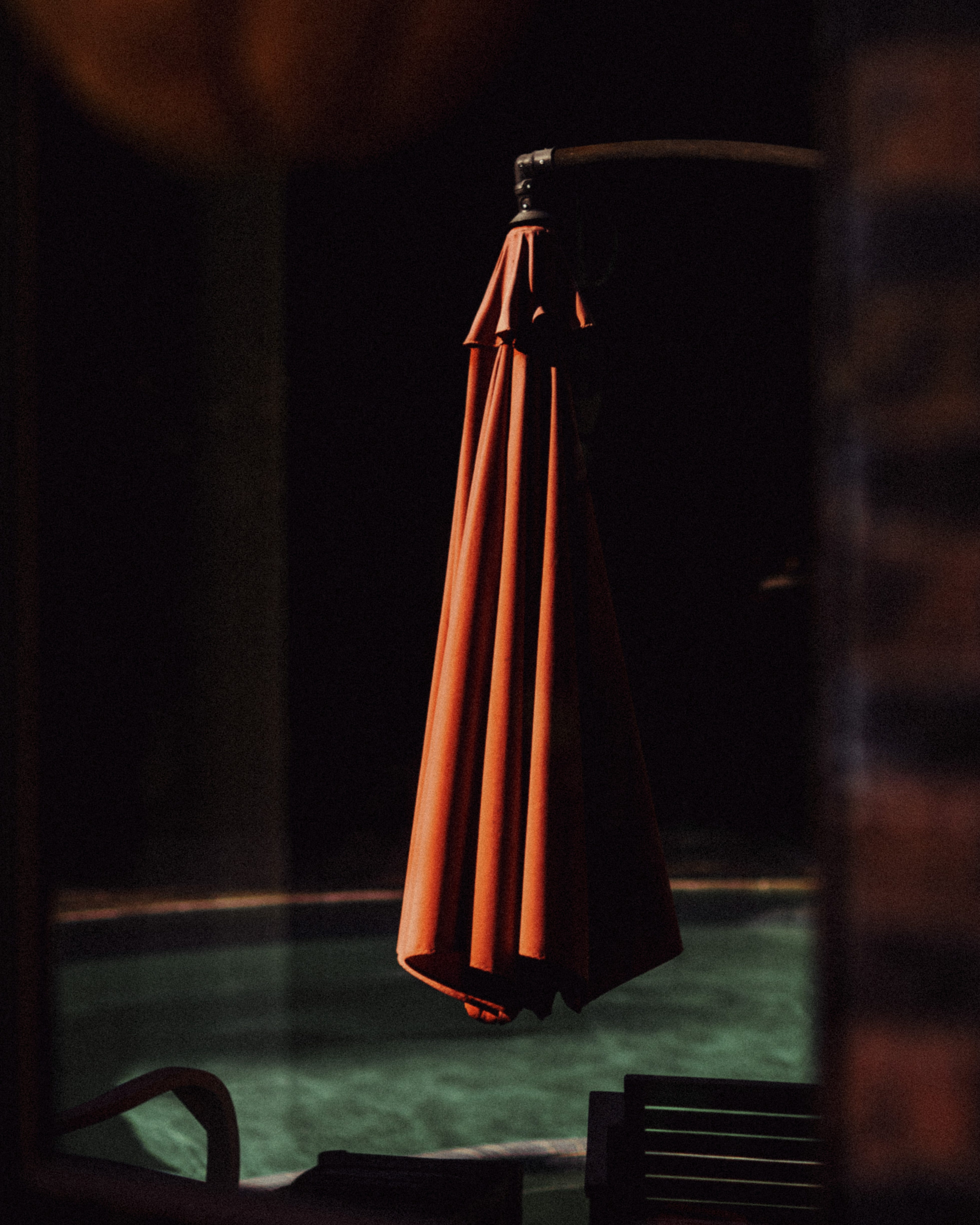
A few years ago, I had to completely reinvent the way I took photos. During the first six months of the pandemic, my usual approach of finding busy parts of big cities and engaging people in conversation while taking their portrait was no longer possible. I was stuck in a suburb of Vancouver, a city I had never visited, and the streets were empty. No expressive faces, no spontaneous gestures, no connection between strangers to be fascinated by.
All I had to work with was a “boring” suburb, devoid of action, filled with what I initially saw as a total lack of interesting details. Boy was I wrong. After retraining my eye, I discovered a universe of beauty and wonder and surprise, and what stopped me in my tracks was light. It was a slow evolution over 123 days of walking those streets, during which I created a huge body of work consisting of around 35,000 images.
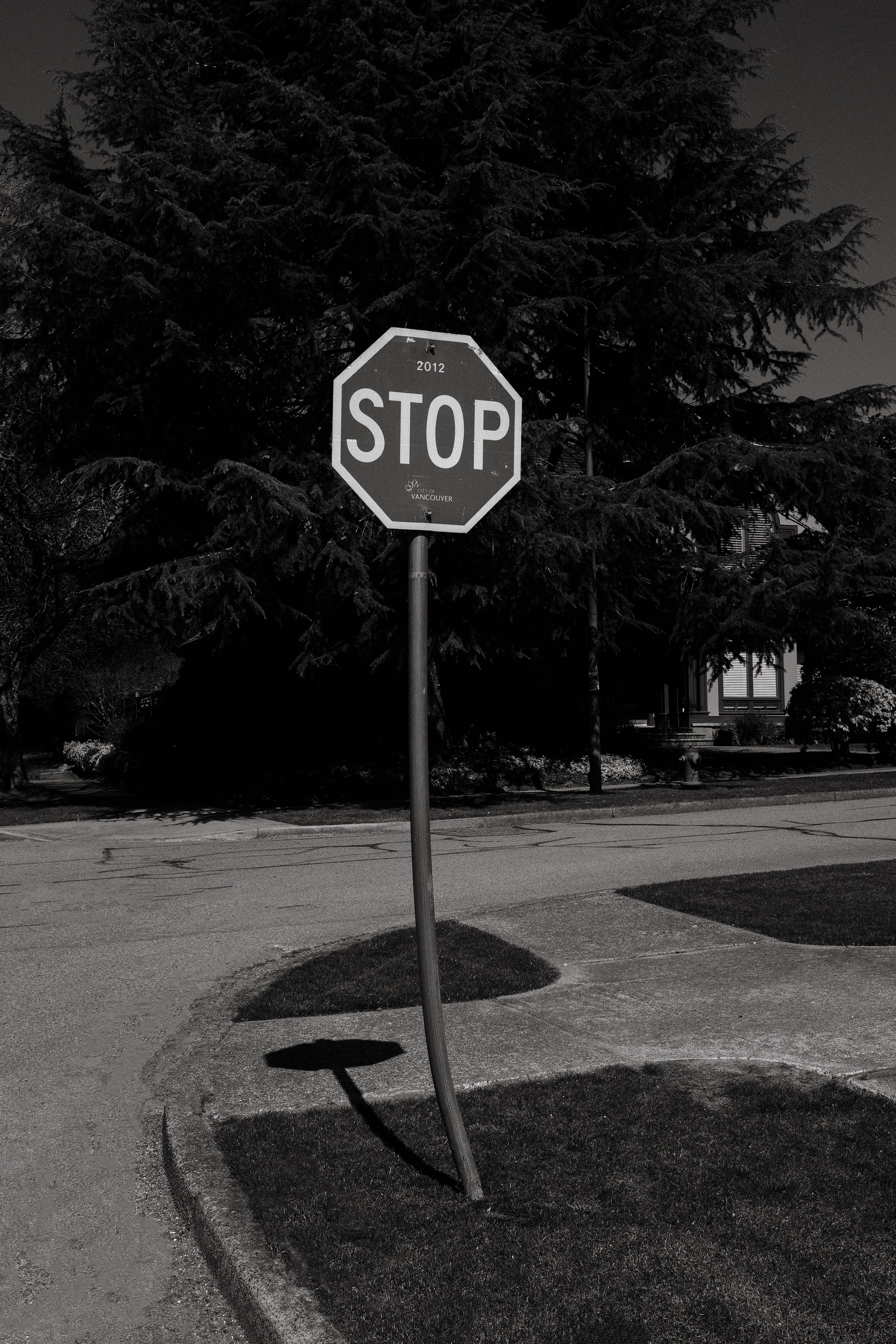
I would head out for a slow 10k photo walk every day during the harshest midday light. Shadows fell in strange, unfamiliar ways, cutting across streets, buildings, and parked bikes in shapes that felt beautiful and theatrical. At first, I followed the shadows just to keep shooting. But over time, I realized these shapes were not just light tricks. They were my new subject.
By focusing on the contrast between light and dark, I started to abstract reality. I wasn’t hiding what things were, but I was introducing mystery. I was asking the viewer to reinterpret what they were seeing. That shift eventually became NOTICE (2022), a book born from constraint and silence.
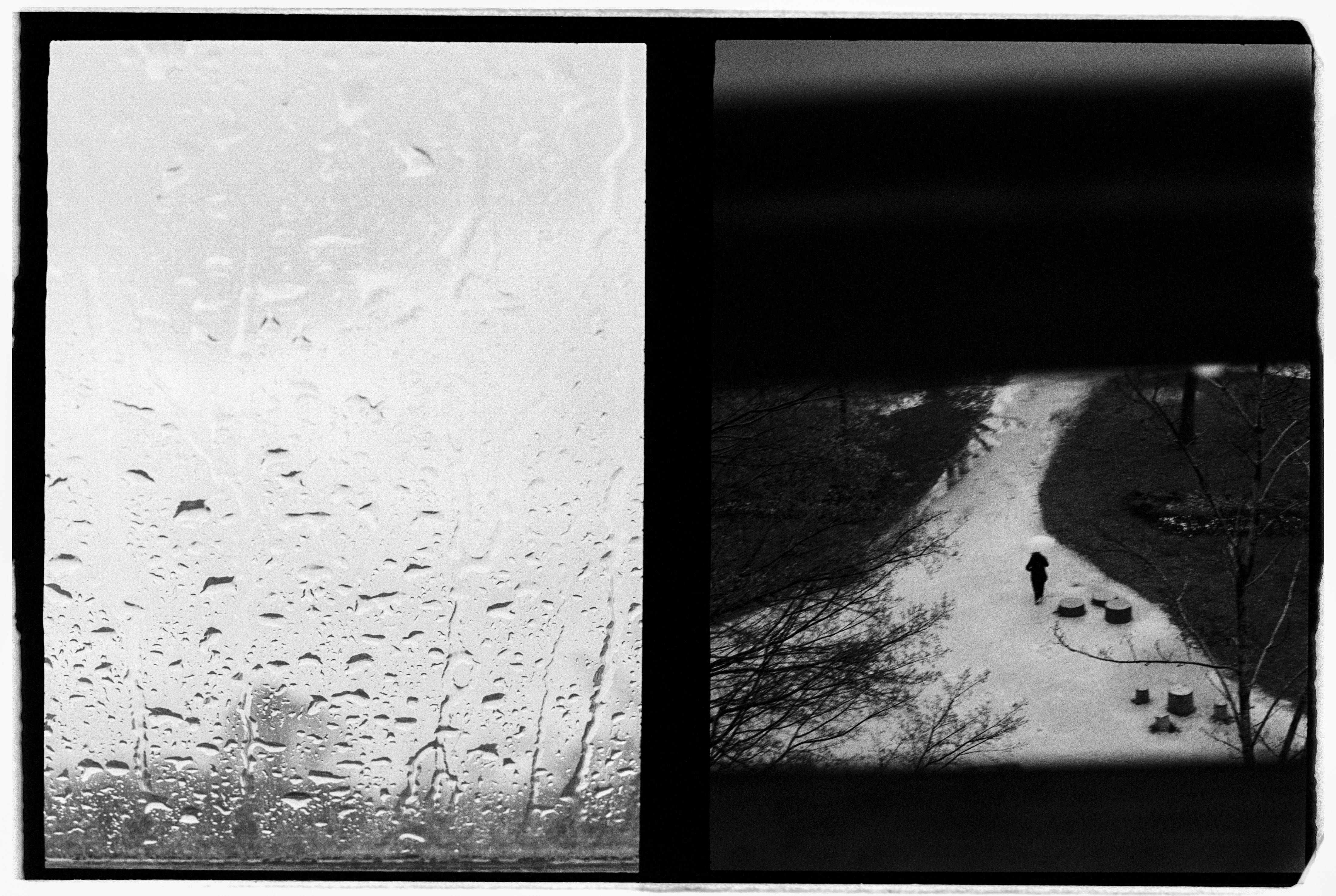
I pushed this further in NOTICE Journal, Volume One, shot entirely in Amsterdam. For three springs in a row, I walked and photographed my way through a time of personal transition. The diptychs I created, pairs of images built around light and emotion, became a way to process those changes. The subject wasn't light. The subject was what the light helped me feel.
There's something that stops you too. Some visual pattern, some impulse, that consistently catches your eye. Maybe it's not what you think it should be. Maybe it's not even something you've given much attention to. But noticing what stops you, and deciding to stay with it, may help you find where your voice as a photographer is strongest. I know it did for me.
A 5-second favor: if you find this issue useful, I’d love for you to share it with a friend. It’s the best way to help keep Process going, and I’d really appreciate it.
Your Turn — Giveaway
Leave a comment and let me know: what's one thing you feel drawn to in your photography? I'll randomly pick one reply to receive a random photo book from my collection, some goodies from my studio, and a few rolls of rare expired film.
Behind-The-Scenes: Flywheel
As you may remember from last week, one of my big projects for the first quarter of 2026 is Flywheel, a portrait project in the same vein as The Best Medicine, but this time giving voice to 100+ startup founders and builders based in the Netherlands. I’m collaborating on this with my dear friend Robert Gaal and my new friend Sanne Koemeesters, who have both been masterful in producing and managing this project.
We kicked things off this past week with an amazing team and two incredible shoot days full of creativity, laughter, and thoughtful conversations. It was one of my favorite shoots ever, and I can’t wait to share the portraits. The project will debut online in a few weeks and then be released as a limited edition zine in March alongside a launch event. Much more about our goals for Flywheel in a future issue of Process. Below are just a few of the many beautiful behind-the-scenes pictures taken by Harry Orange.
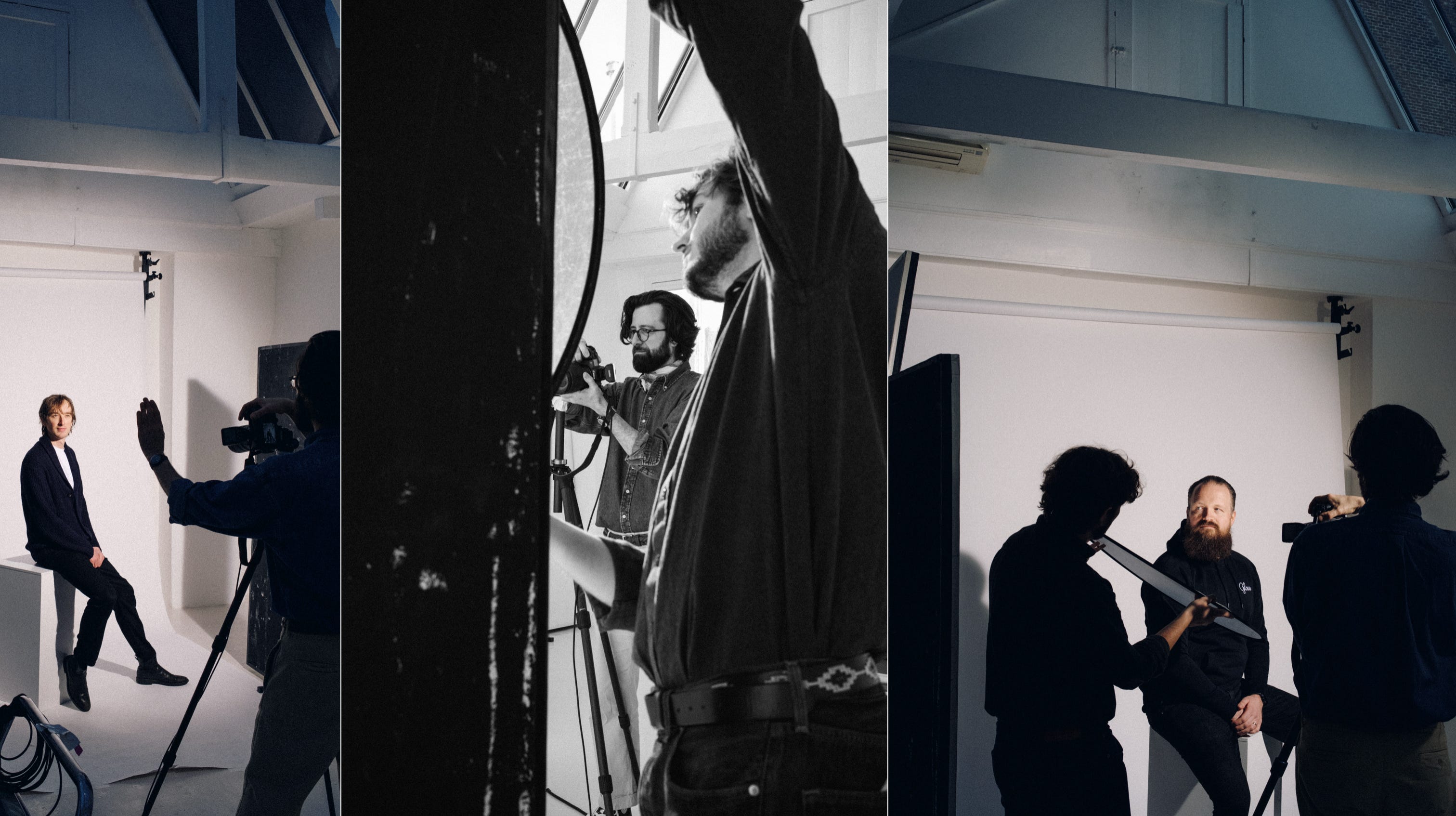
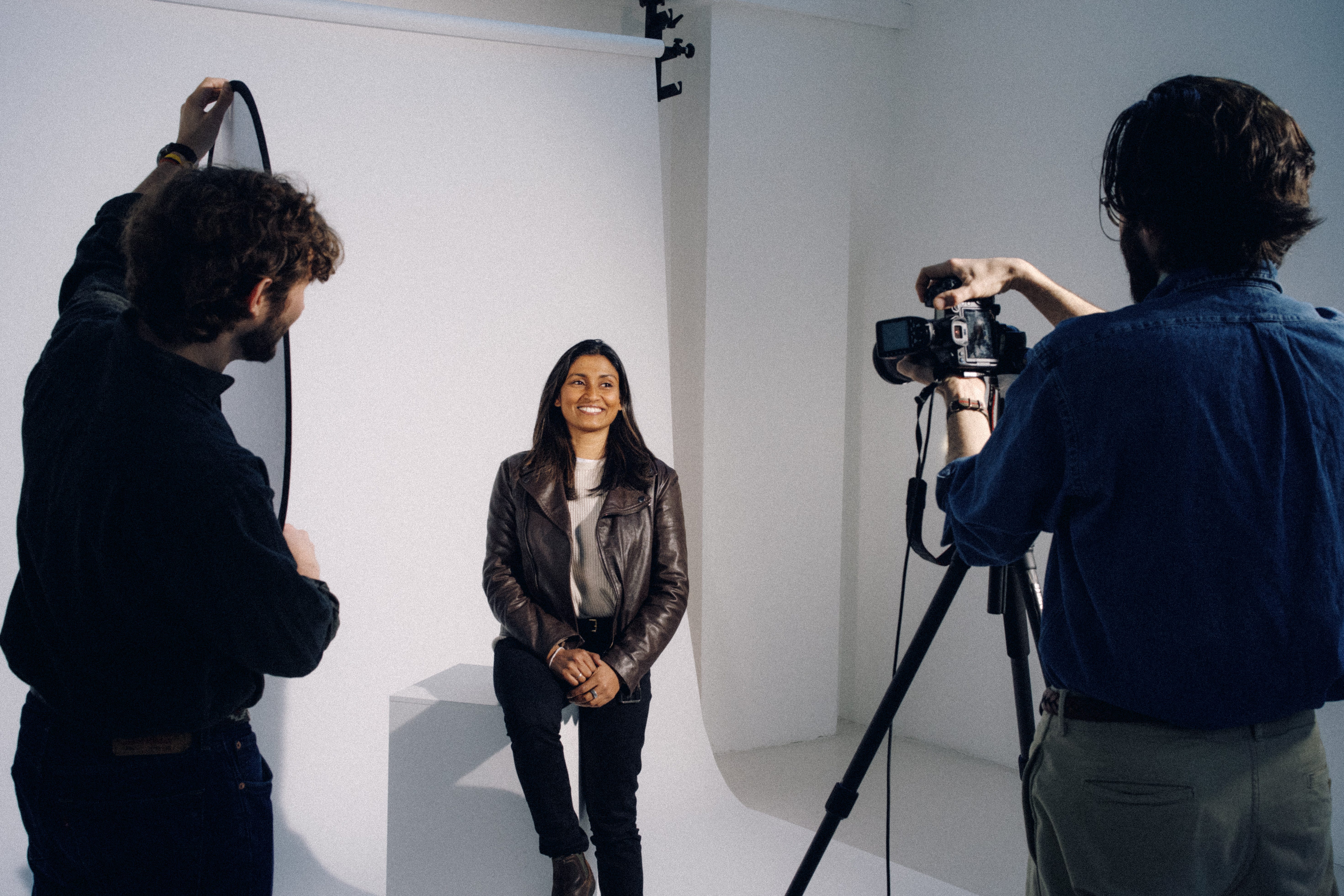
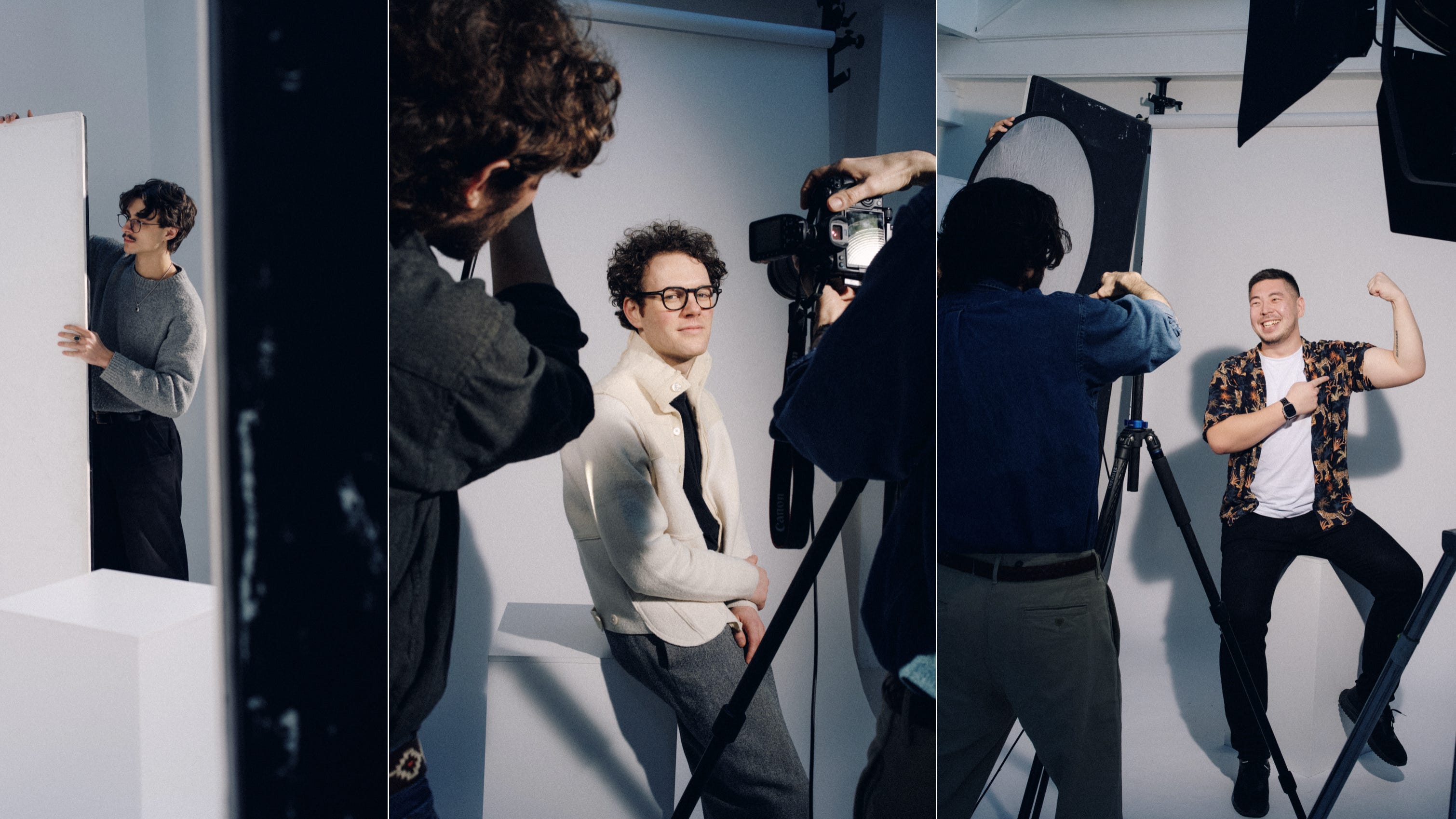
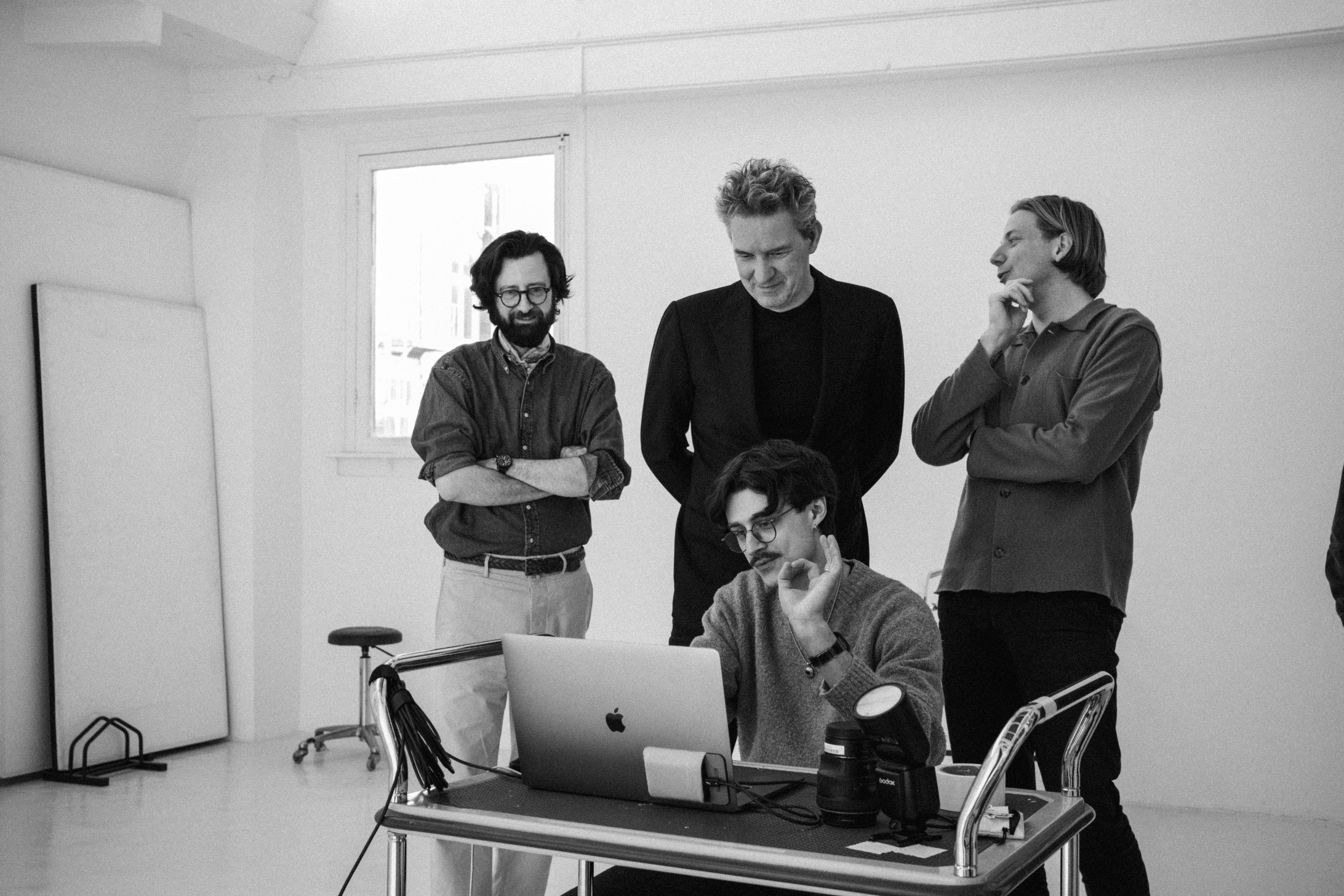
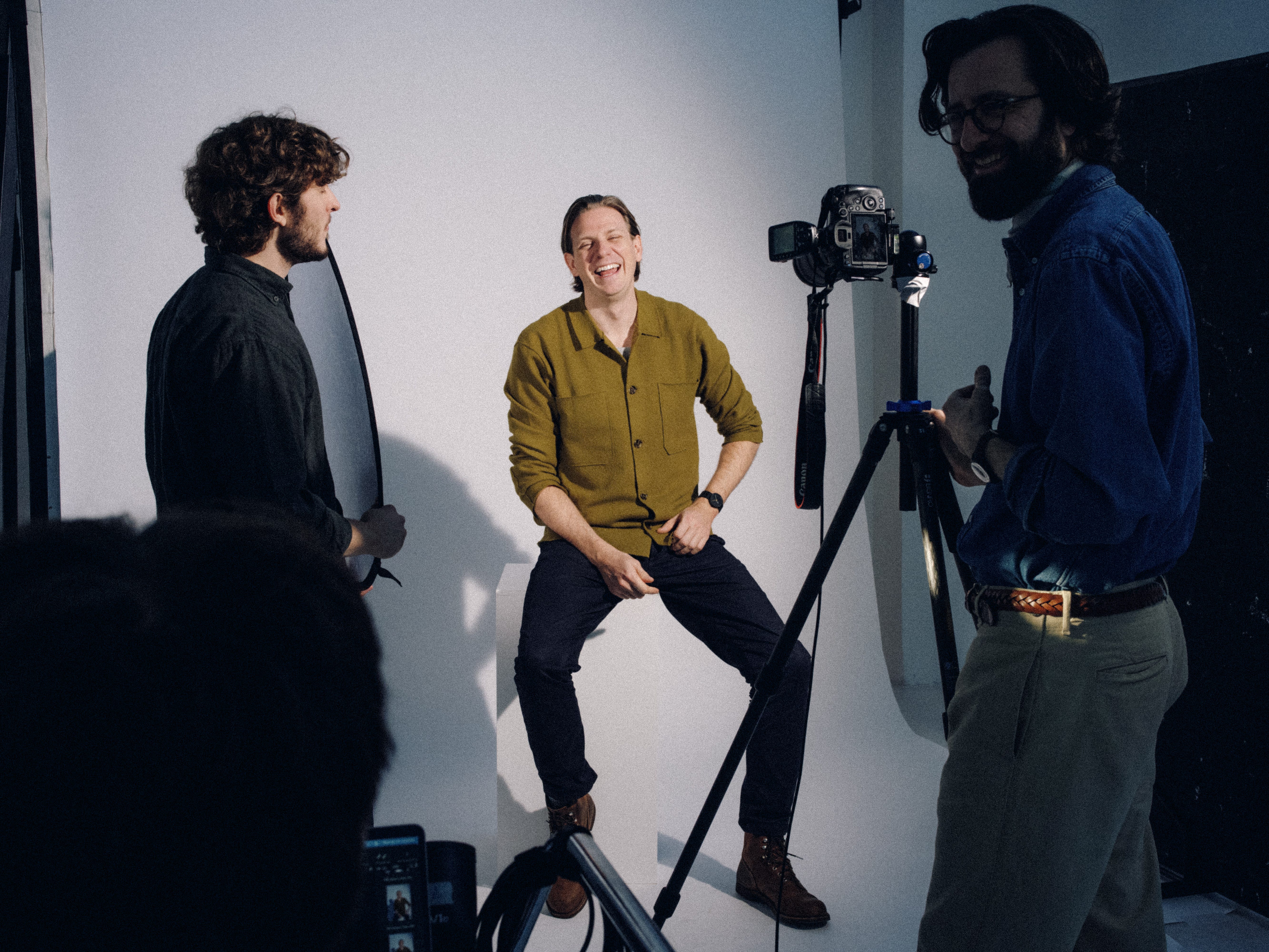
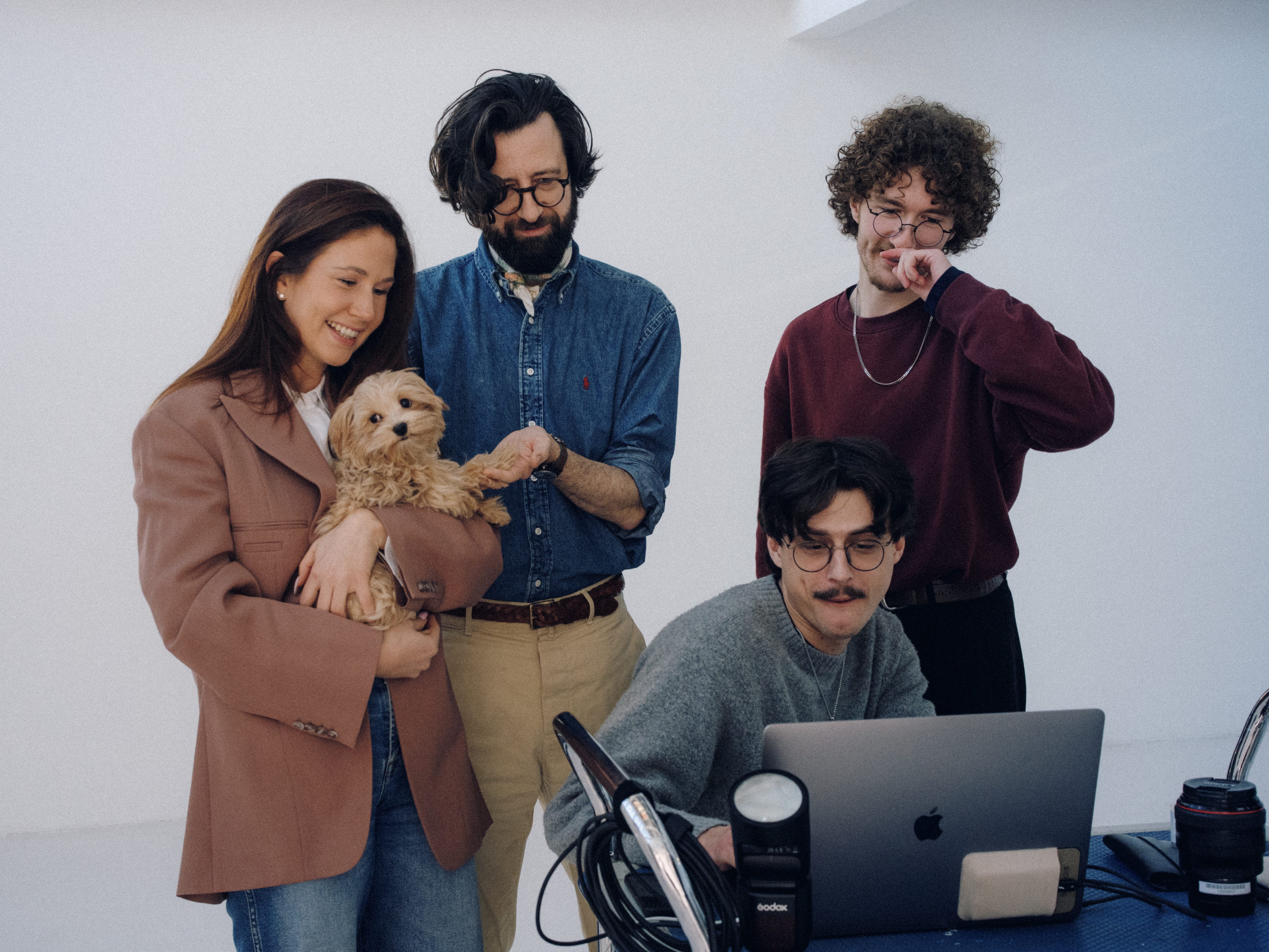
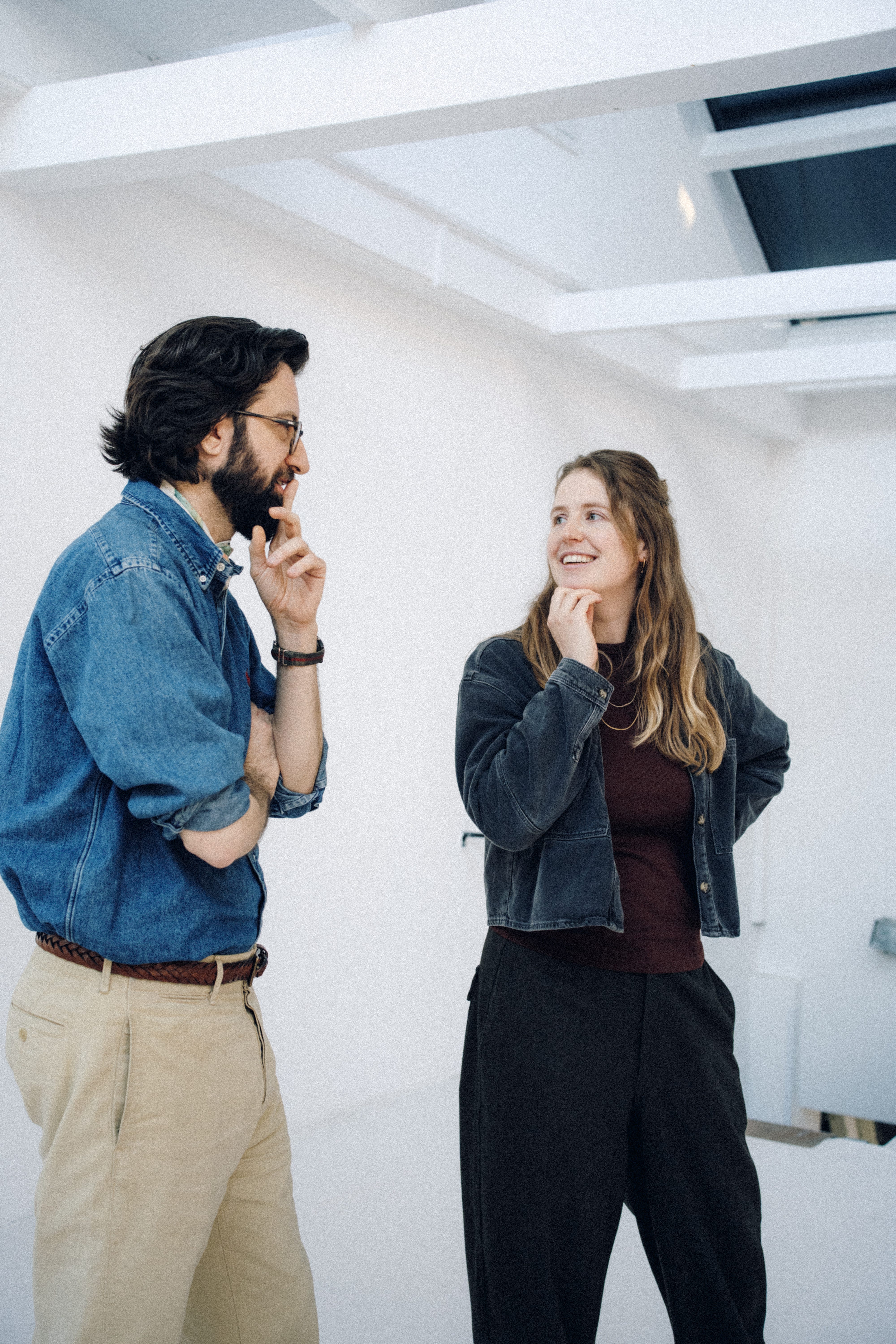
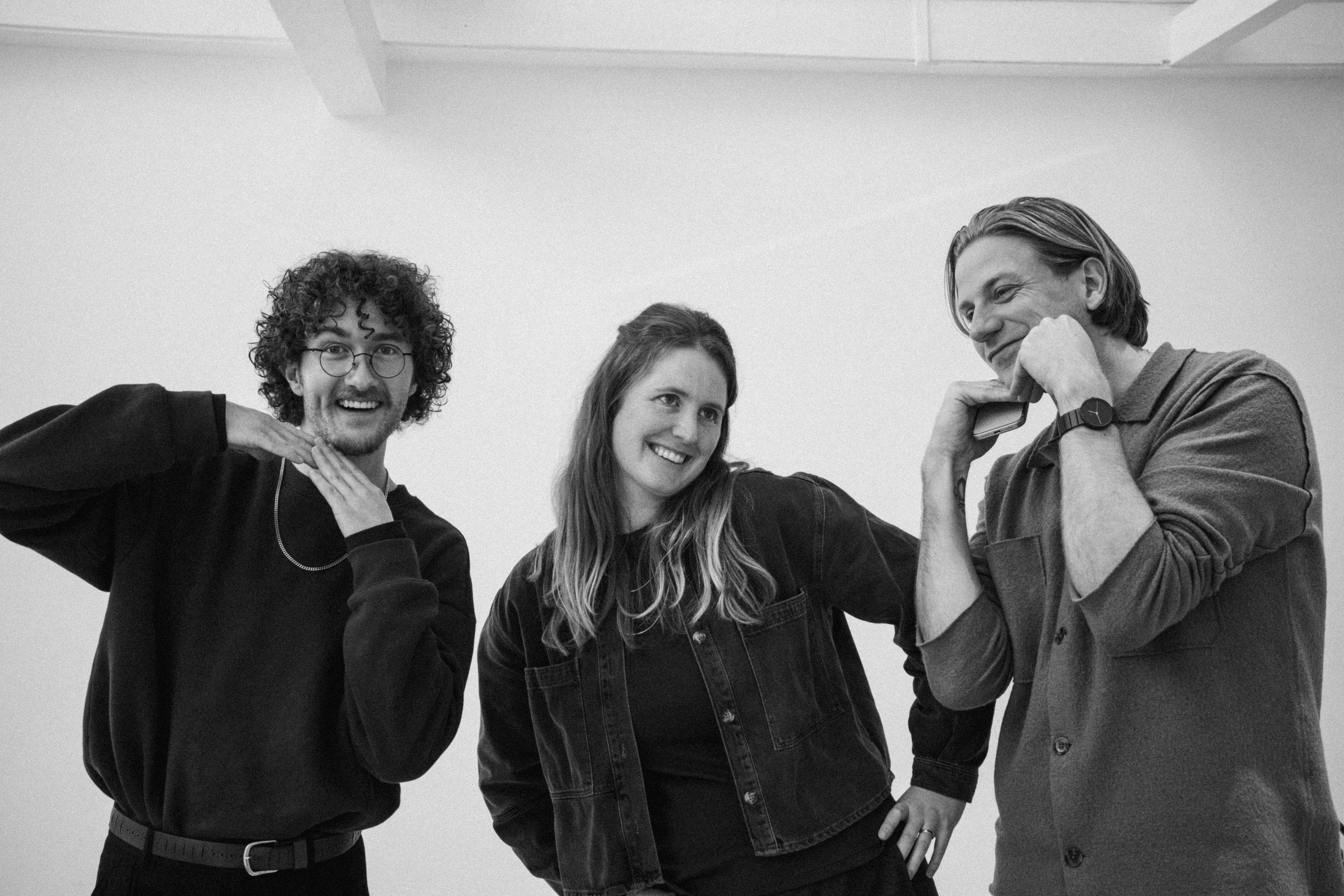
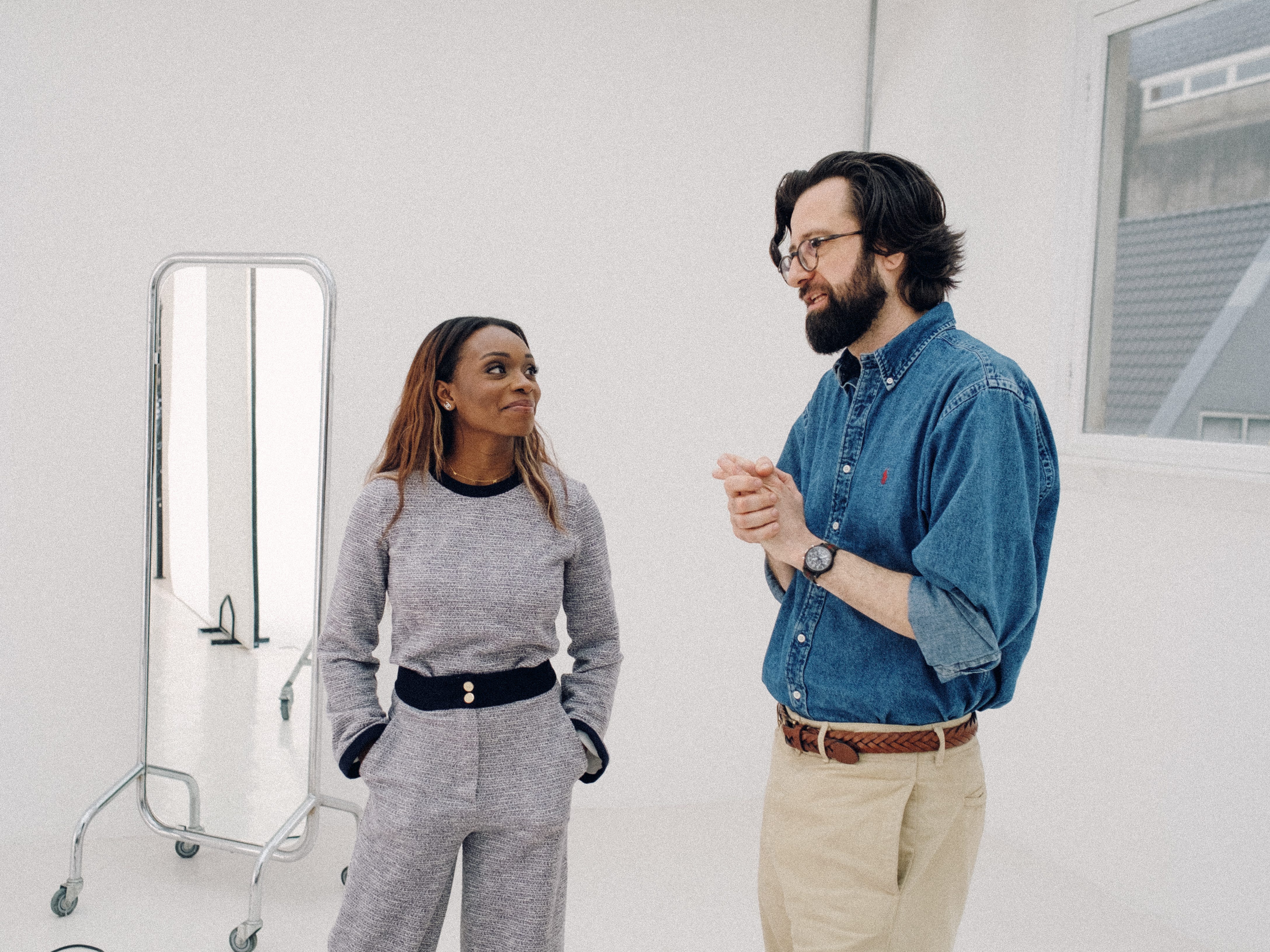
Big thanks to the entire team who worked on this project: Harry Orange (BTS photography and video), Alain Galje (BTS video), Joseph Frank (digitech), and Simon Ducos (assistant). And a shout out to Elzo and Liske at Studio 13, my favorite studio.
I hope you’re having a lovely and peaceful Sunday and the weather allows a little photo walk if there is time. Til next week!
Talk soon,
Wesley
A Few Ways To Support This Work
If Process adds something to your week, here’s how you can help keep it going: grab a copy of my photo books (NOTICE, NJV1) or the Process Workbook series from my webshop. Everyone who orders something physical gets a free copy of the very limited edition Creatives In/AMS preview zine and some stickers.
Process Photo Club members get 40% off my book NOTICE, and 100% off all four Process Workbooks, and more. Not a member yet? Join here for instant access.
This Week’s Camera + Tools
These were the tools I used for this particular issue of Process:
Camera: Canon 5D Mark IV, Fuji X100F, Panasonic Lumix S5ii, Olympus Pen-F.
Lab: Developed with love by Carmencita Film Lab. They’re the best and put so much love and care into getting it right. Use code “PROCESS“ for a free upgrade.
Process is supported by MPB.com, my personal go-to for buying, selling, or trading used gear. Everything comes with a 12-month warranty.

🗃️ Browse the Process Archive.
The primary thing I feel draws others into my photography is the ability to see something unique in the mundane or everyday setting that most people in my area walk by. Then when I reveal to them the location, they are often quite surprised that it's a place they're familiar with, but never actually saw the same space the way I did
I like deserted things I see on the street, a teddy bear, a bouquet of flowers, a balloon, the list goes on. The stories behind these sad objects never fail to draw me in.