
Hi friends,
First, thank you. The response to the preorder has been lovely and I do not take it lightly. The Special Edition nearly sold out in the first few days. Only three copies are left. If you want that print, I would not wait, because at this rate they will be gone soon. You can grab one here. Here is one of my favorite spreads from the book:
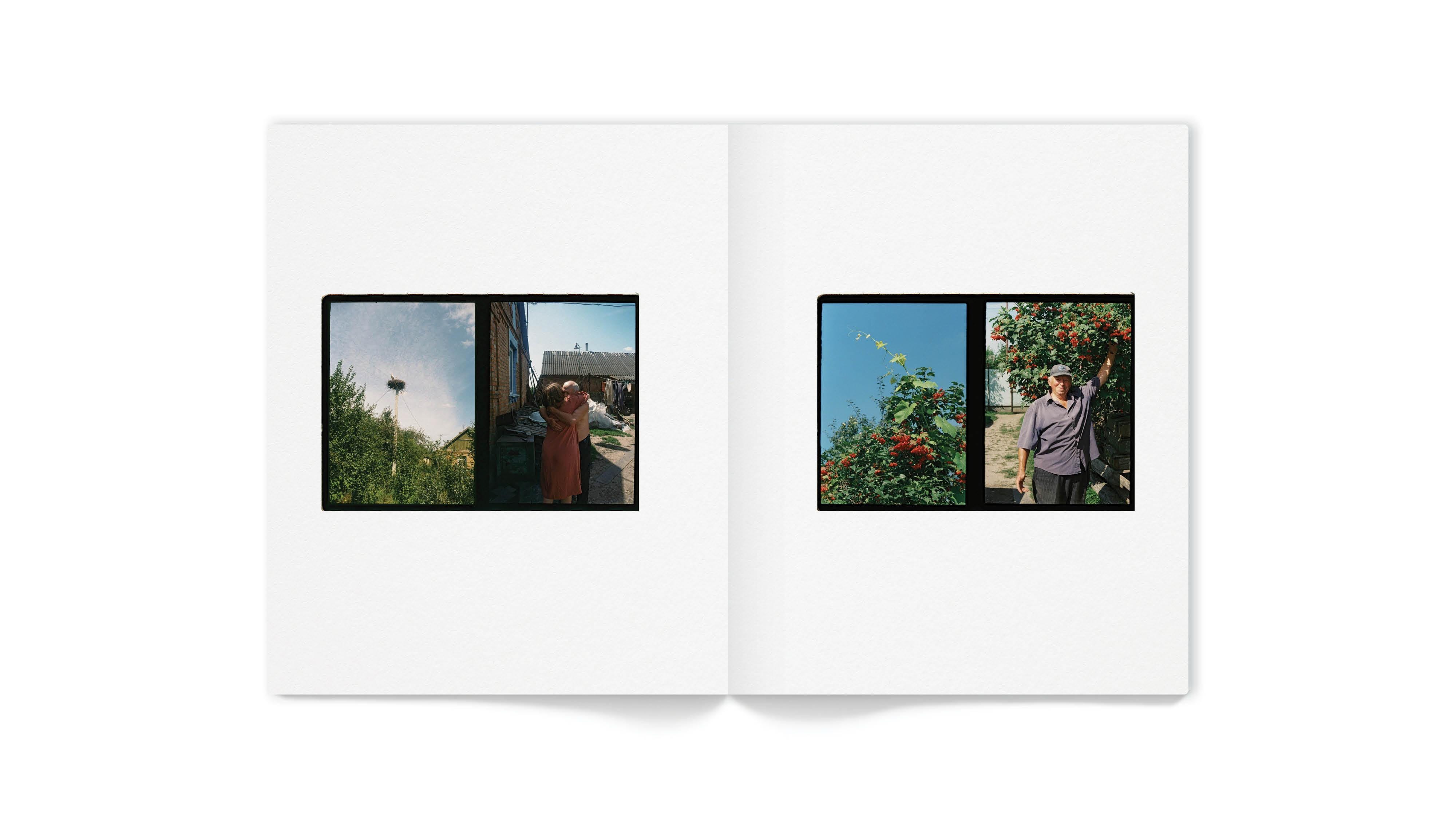
There are still plenty of Standard copies, but if you have been meaning to order, this is the week. The early bird price is still up, which saves you eight euros, and every preorder still comes with the Ukraine Travel Diary zine at no extra cost. That zine will not exist in any form after 31 August. Not for sale, not as an add-on, not later. It ships with the book and then it is done. Plus if you order it during the preorder window, it really helps me with the initial printing costs, which helps Process be something that exists every week. Thank you! <3
Now to this week’s step, which is the part of a book that is not photographs at all.
Step 7 of Making a Book or Zine
This is step seven from Process Workbook, Volume 5, and it is one of the more intimidating steps because there are so many options. Do I need captions? Should I write a foreword? Should I ask someone else to write a text? How do credits work? Because it’s a bit confusing, I want to start with something that sounds unhelpful and yet is completely true: You might not need any text at all.
Some of the best photo books ever made have no words, outside of the title on the cover. The first question you should ask yourself is: Would adding text make the book better?
Text can earn its place in the book when it does something the pictures can’t. It can tell the reader where the work came from, or what was happening in your life while you made it. For example, in NOTICE Journal, Volume One, there is a foreword in which I explain that the body of work this book came from was made during a very challenging period in my life when I was dealing with lots of big life changes, from moving continents to a long-term relationship ending, and more. That foreword changes the way one might look at the photos. There isn’t anything specifically in the photos that would make you think: Dang, this guy must’ve been having a lot of big changes in his life. But when you know it, you will look at the photos differently, and it amplifies the underlying feelings.
What it should never do is fully explain the photographs, because it takes the process of seeing and discovering away from the reader. Good text leaves the pictures open, even if context is given.
Here is a list of the types of text one can consider for your book or zine. You can decide to use some, or all, or none.
A title page — Most every book has one. The title, your name, maybe the year. It sets the tone before anyone has seen a single image.
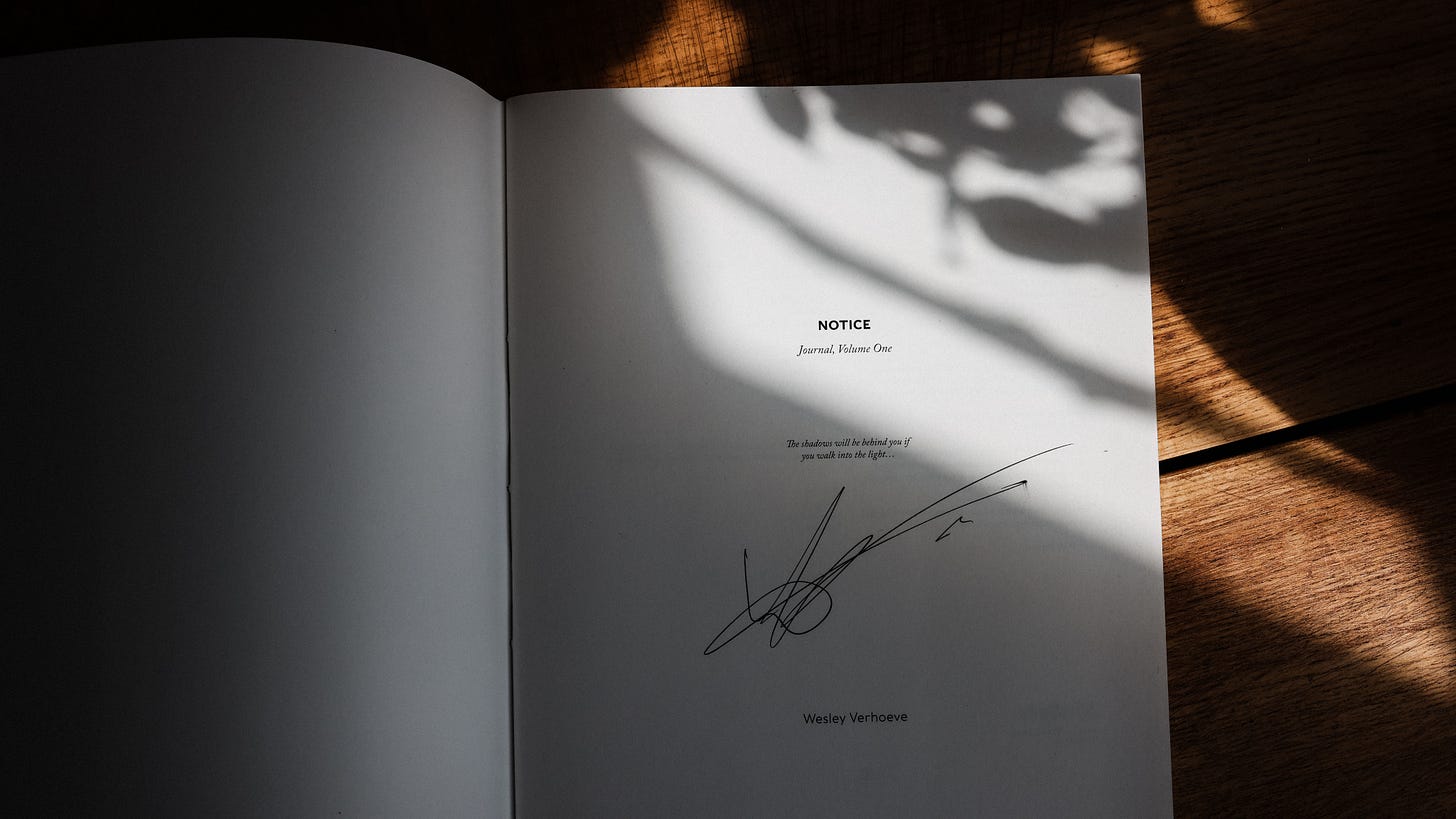
NJV1: Title Page A foreword — A short piece written by you, usually. Why did you make this book, what were you trying to document, and what was going on around you at the time. Two or three honest paragraphs, often not more than that.
An essay — A longer piece that lives within the theme of the pictures. It can be written by you, or someone else like a friend or someone you feel is connected to the subject from their own life rather than describing your pictures. That outside voice can reach something your own writing cannot.
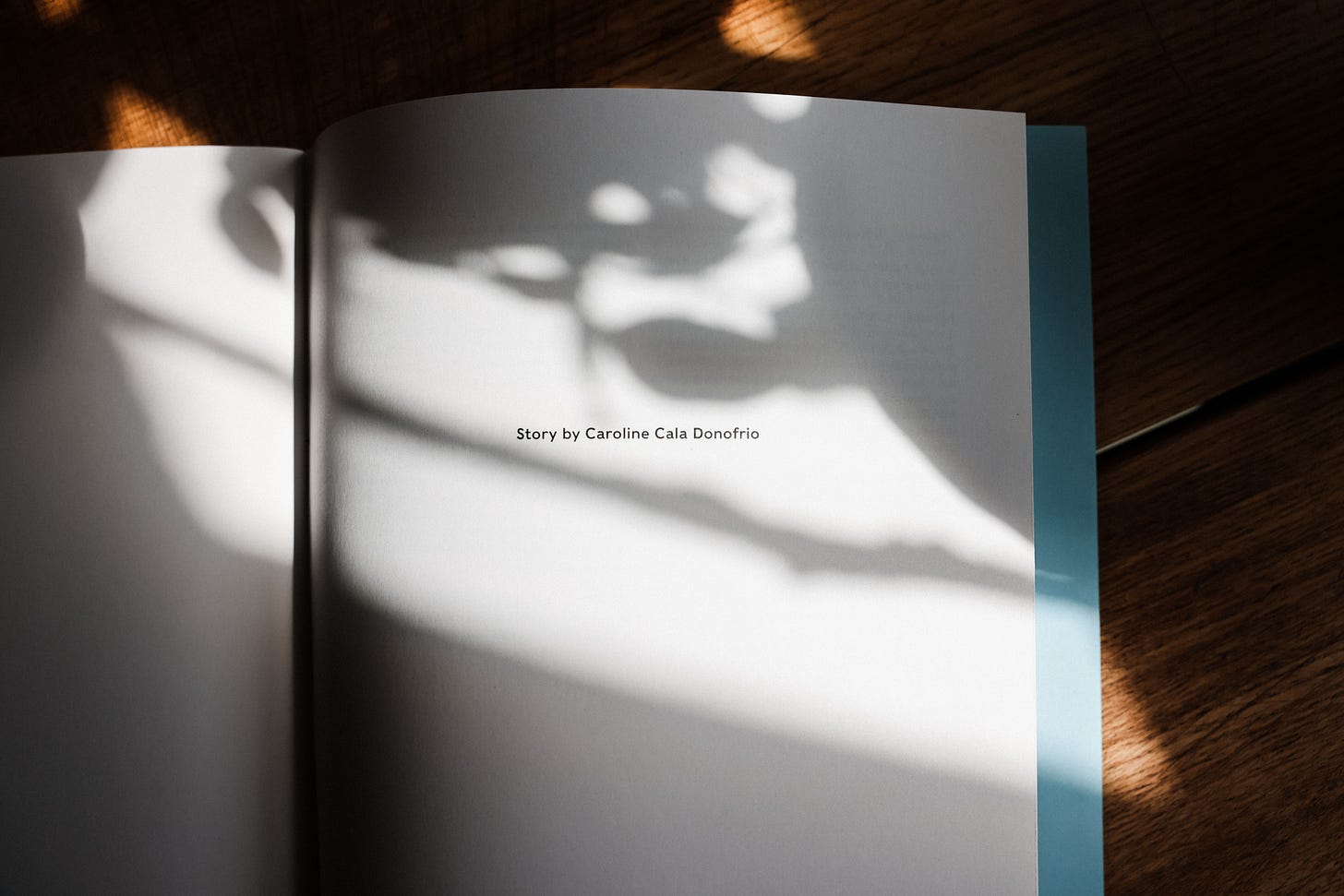
NJV1: Essay title page Captions — These carry facts and descriptions, like when and where a photo was made, who is in it, etc. I cannot stand captions, but there is a place for them in terms of historically relevant photographs.
Something unexpected — There are no rules about what kind of text you can include, because it’s your project and you’re the boss. You can use a poem, or a piece of fictional writing, or a letter. Or, in the case of my NOTICE Journal series, I always include a recipe that connects to the theme and the pictures. To me, cooking and feeding people is an incredible art form and way to tell a story. Since this book series is about people and feelings, I decided to ask friends who are food writers to contribute. For Volume One, this was a recipe by friend and New York Times writer Hetty Lui McKinnon that took the idea behind the photos, springtime as a metaphor for rebirth, and made a beautiful spring recipe out of it.
A colophon — This holds the technical details, and I love me a good colophon. It’s for the real nerds, the ones who read liner notes when they bought a music album. What paper was used, which typeface, the size of the edition, etc. Not every book needs one, but if you care about the object, a colophon is a way of honoring the craft.
Thank yous and credits — The people who helped make the book deserve their names in it.
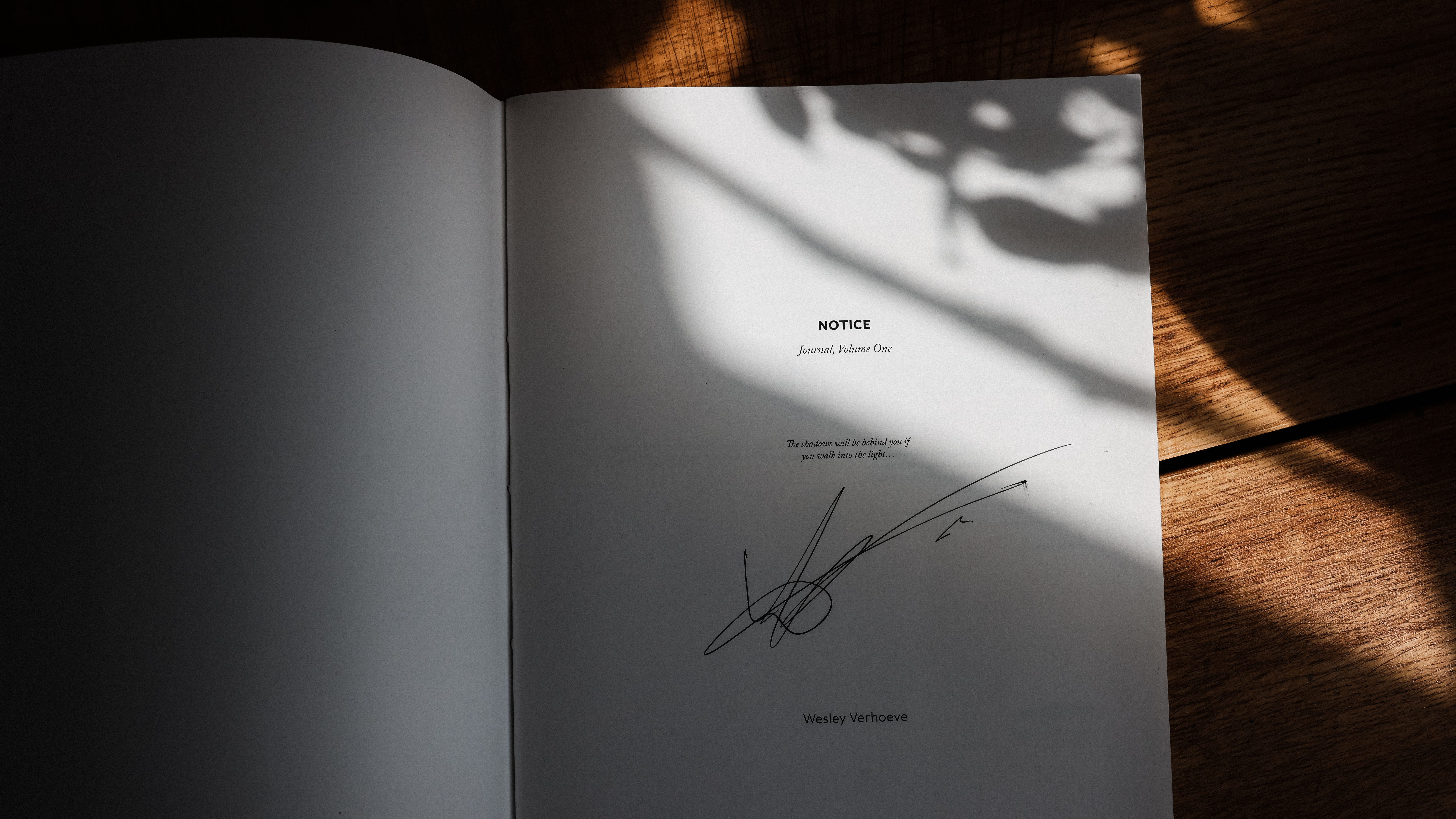
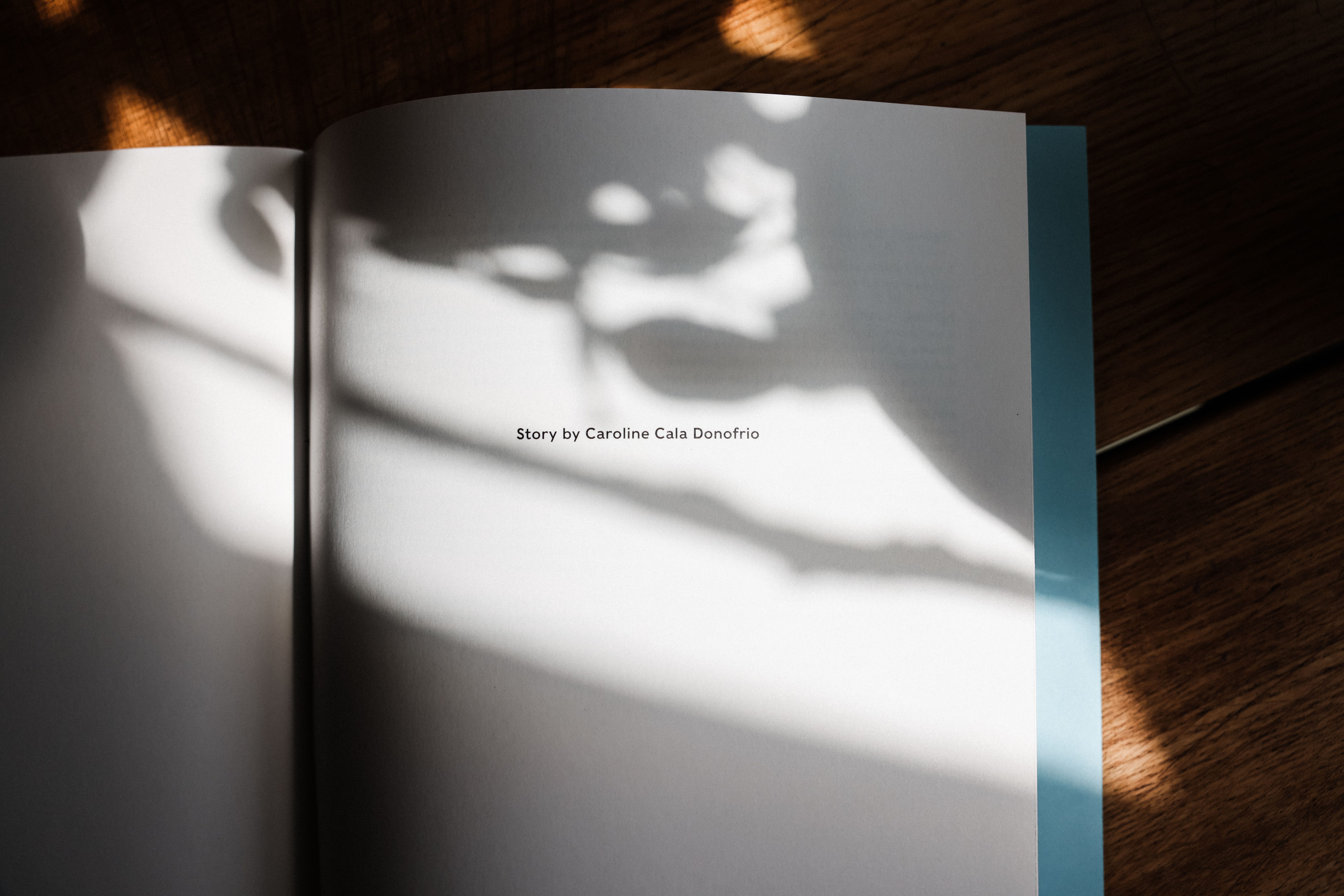
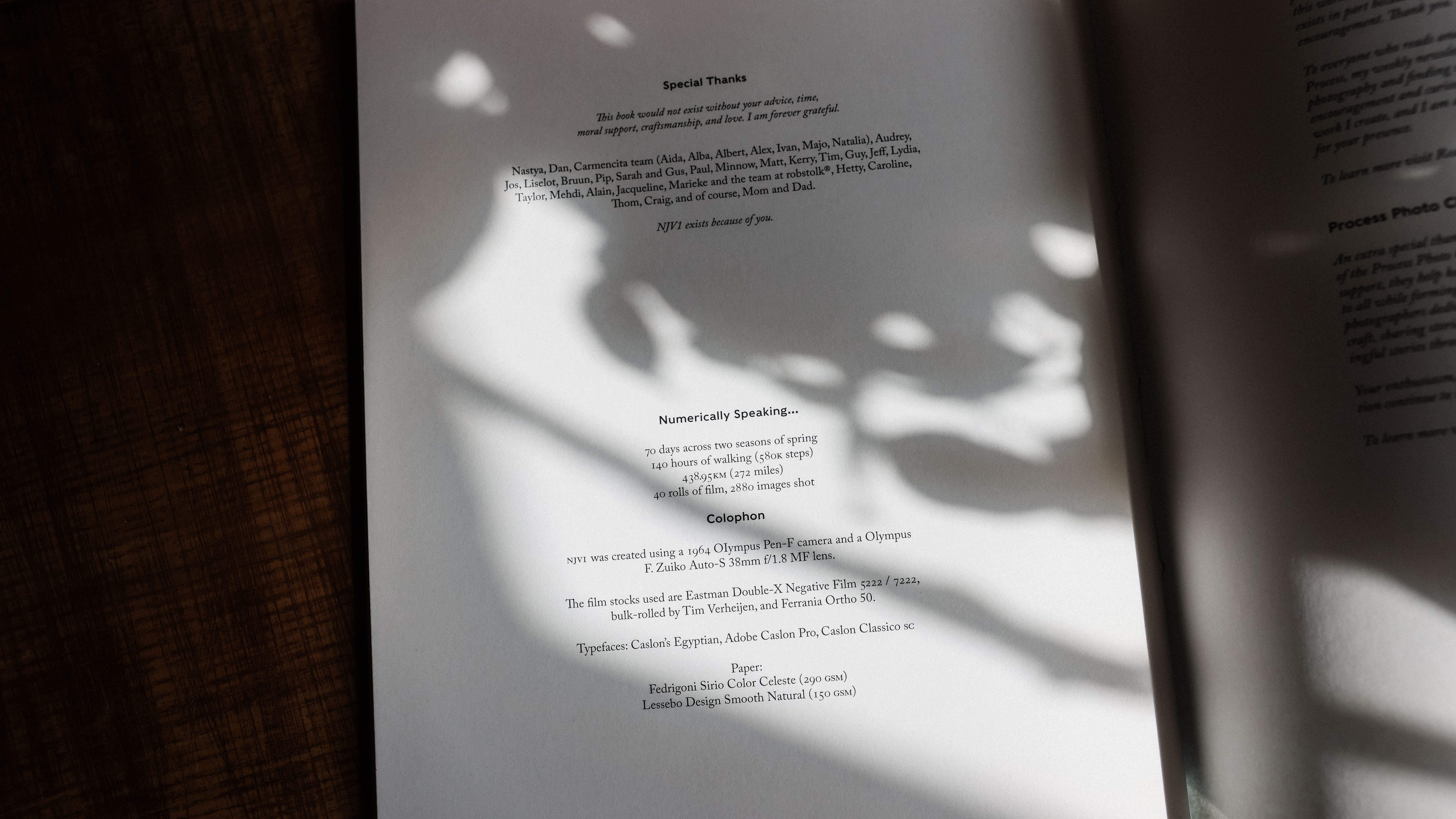
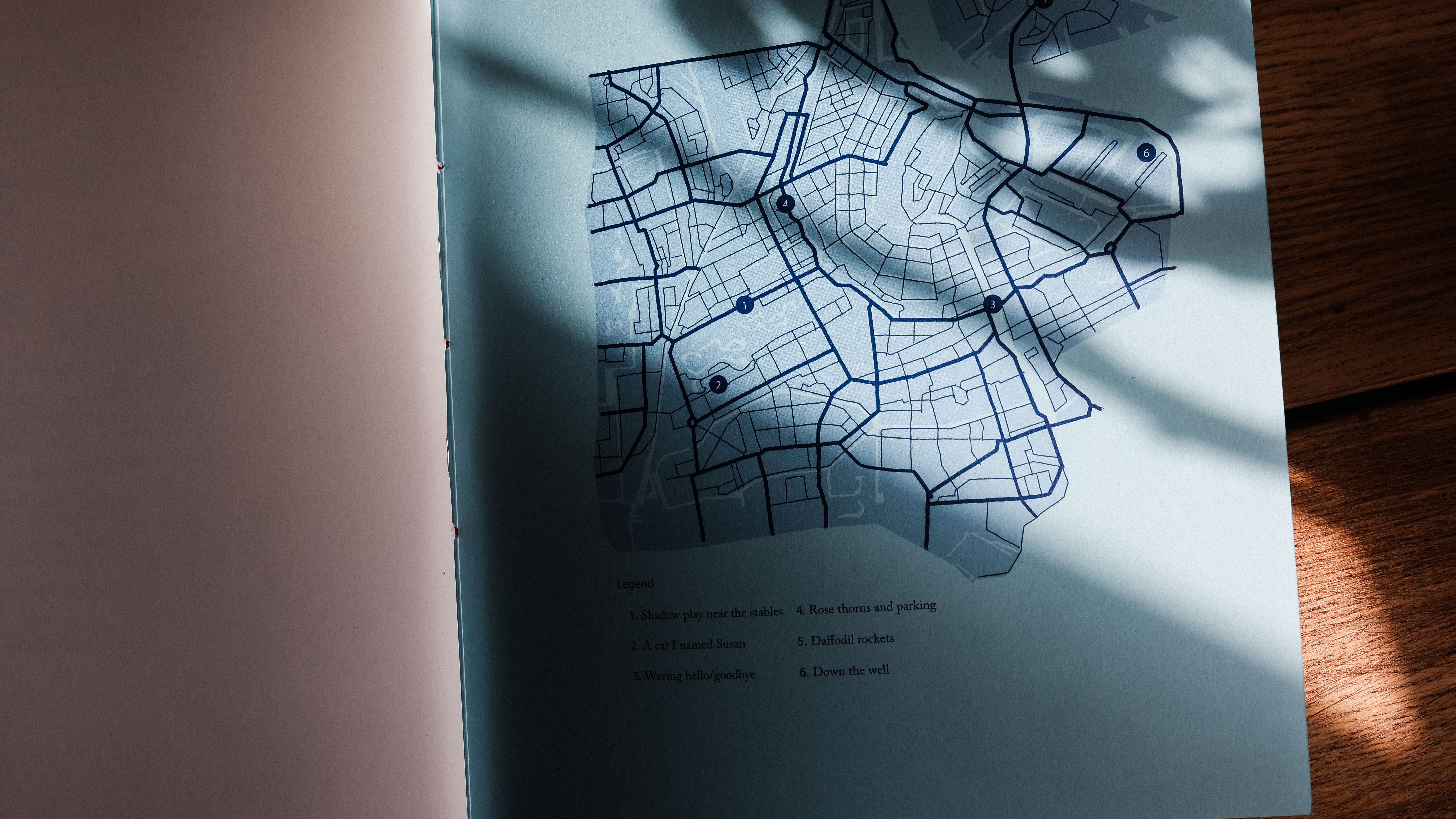
Since NOTICE Journal, Volume Two, is part of a series, it follows the same format as Volume One. That means it has: A colophon, a title page, a short foreword by me, an essay by Julia Kochetova, recipes by Anastasiia Klymenko and Alison Roman, a page of credits and thank yous, and then inside the back cover also a map of Ukraine drawn by Jeffrey Phillips with a few locations of photos indicated and poetically described to make it a bit of a photo scavenger hunt map.
This book is about:
What home feels like, and what it takes to hold on to it in uncertain times
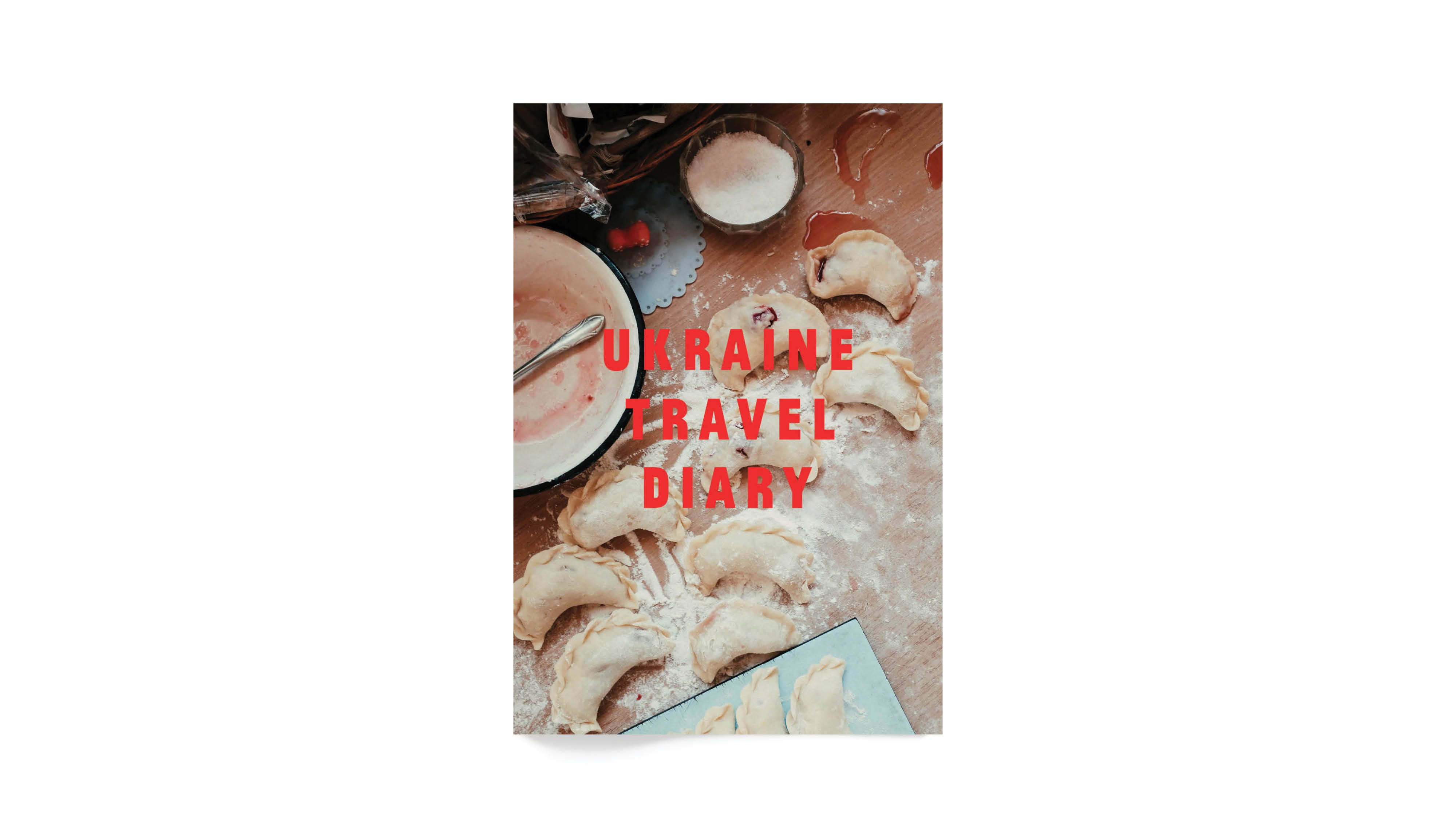
Food is part of that. A recipe is domestic and specific and real, and it says something about this family that the photographs cannot say on their own. So I asked my friend Alison Roman, a wonderful writer of a few best-selling cook books, to contribute a recipe. She gave me a great summer dish, in part inspired by her Ukrainian grandfather. I also asked Anastasiia Klymenko, my partner and a Ukrainian chef, to contribute a recipe of one of the most special family dishes we ate while there. I happened to put a photo of that very dish being made on the cover of the Ukraine Travel Diary as well:
The essay was something I was very excited to add to this format. I loved reading words by James Baldwin or Truman Capote in the back of Richard Avedon books. I love words, and the pictures they can paint in my head. For Volume One I asked my friend Caroline Cala Donofrio to write an essay and I asked her to not write about the photos but instead to write about her own experiences around the same theme as the photos. The pictures in Volume One were made across three seasons of spring in Amsterdam, with the underlying feeling of melancholy and renewal after a long winter. Caroline wrote about what that meant in her own life, and her essay gave the pictures extra angles to find meaning.
For Volume Two, I wanted a writer who knows Ukraine and the feeling of being home there from the inside. Julia Kochetova wrote it. She knows this life in a way I never could, and she brought her own voice instead of narrating mine. As an accomplished war photographer she makes very different pictures in her country, in much braver ways, and her perspective was incredibly meaningful to me. Her essay made me cry the first time I read it, because it was moving and beautiful.
None of the words I included in Volume Two attempt to explain the photographs. They do add something the pictures were never going to be able to, enriching the story I am telling.
I recommend looking at your own project and thinking through which text elements might feel right for it and in what way they could add something to it. And don’t feel obliged to include anything that you feel is not necessary.
If the honest answer is nothing beyond a title, trust that. The pictures were always doing most of the work.
Your Turn — Giveaway
If you have made a book or a zine before, I’d love to hear about it in the comments. What text did you put in? Why? What did it add? I am always curious where people draw that line and I think other readers will find it helpful.
I will randomly select one of the comments to win a special Process Goodie Pack with some stuff from my studio, maybe some film, unreleased prints, books.
If you haven’t yet, you can preorder NOTICE Journal, Volume Two here.
See you next Sunday.
Warmly,
Wesley
NEW VIDEO ALERT
I made a new comedy/photography video about a photography habit I always recommend: Sell gear that you do not use, and put that money towards something you will use. In the video I ran my friend Nanda Hagenaar’s archive through Excire’s analytics to determine which gear was collecting dust unused, and then we used MPB.com to get a quote to sell or trade that gear. Watch it here.
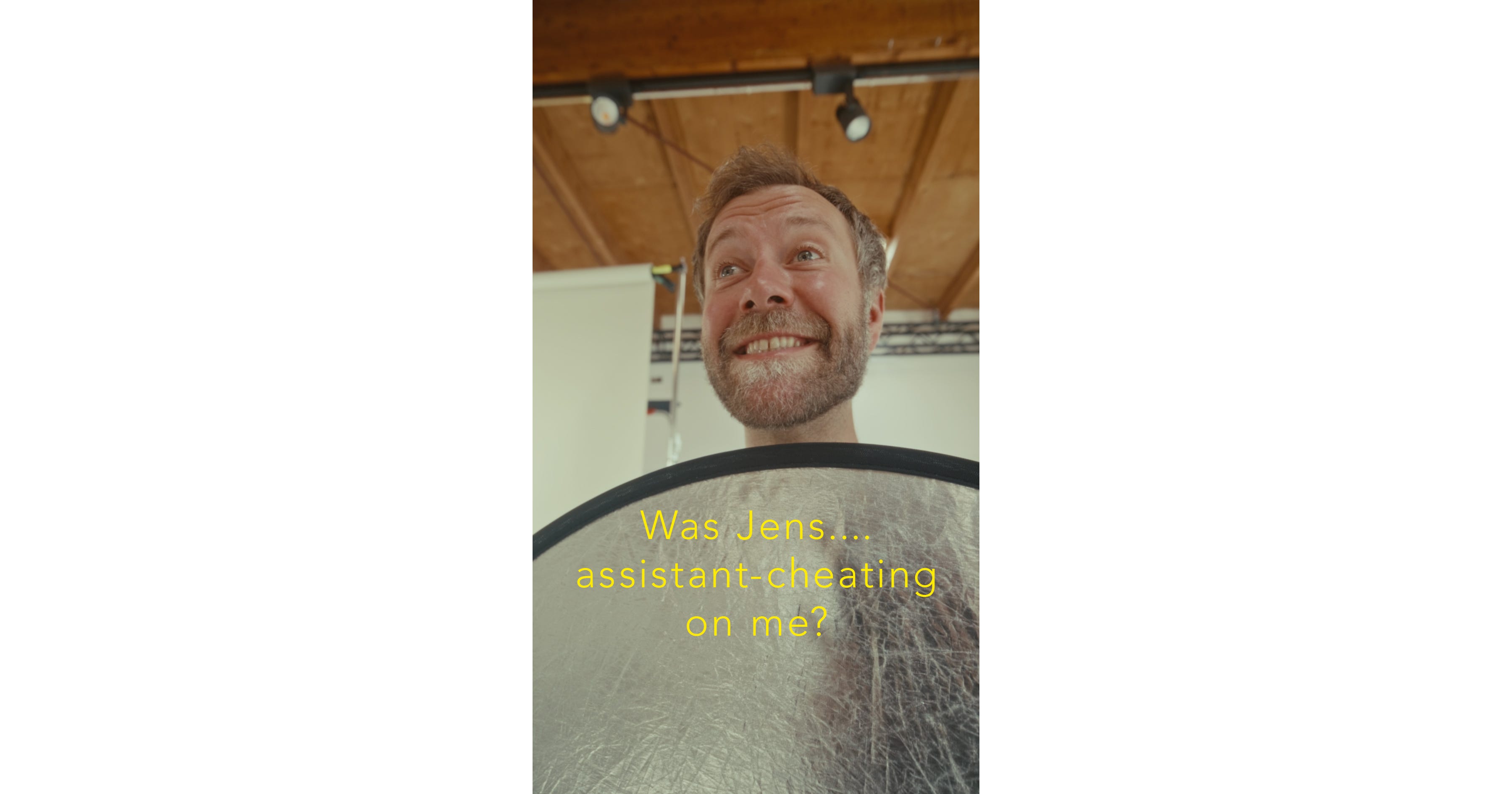
The timing for this video was funny. Right after I finished it, my friend Anny asked me for advice. She had this excellent camera she almost never used. It just never called her name. And she felt bad about letting it go, because on paper it was so good. Meanwhile she kept picking up a different camera, one that is technically less impressive but somehow fits her. I told her the truth, which is also the point of the video. Camera choice is personal. An expensive, capable camera is not worth keeping if it does not make you want to pick it up. She is going to sell it. Good camera, wrong person, and that is allowed.
Browse the Process Archive for more articles.
Check out the Process Perks area for discounts and downloads.
I, like you, dislike captions (and titles). I don't want to influence the viewer.
Visually I love text on (some) photos (a la magazines) but rarely do I put text on my own images, because I usually focus on one or the other when I'm looking at other people's work, and if others do the same, I'd rather they focused on my photos.
I have made a photo book (and raised money for it on Kickstarter) full of images around my city that I took as I walked every street during the pandemic, camera in hand. I posted my images from my walks on IG and I knew a lot of (most of???) my audience for the book would be people who already followed me, but because I also intended to sell it through bookstores and whatnot, I opened the book with a short essay that I wrote just describing how the whole project came about to give context to the images for people who didn't already know me and my photography.
Thank you for the breakdown of the various types of text that might be appropriate for a photo book, and also, for the simple freedom of accepting that no words at all might be the best option.
For my current project, a Florilegium - an anthology of flowers, I chose to include a title page and short introduction, a preface, to give context. I also plan to include poetry, perhaps a short essay, acknowledgements, and a dedication page. I've narrowed the project to a focus on the flowers themselves, as I see them. So - captions would be clunky. Descriptions would seem more suitable for documentary work. Naming the flowers would be akin to a botanical study. In the end, fewer words will make for a stronger book in this case. Many thanks for leading the way!
https://donnamhopkins.com/notebook/2026/8/23/pictures-text-1